
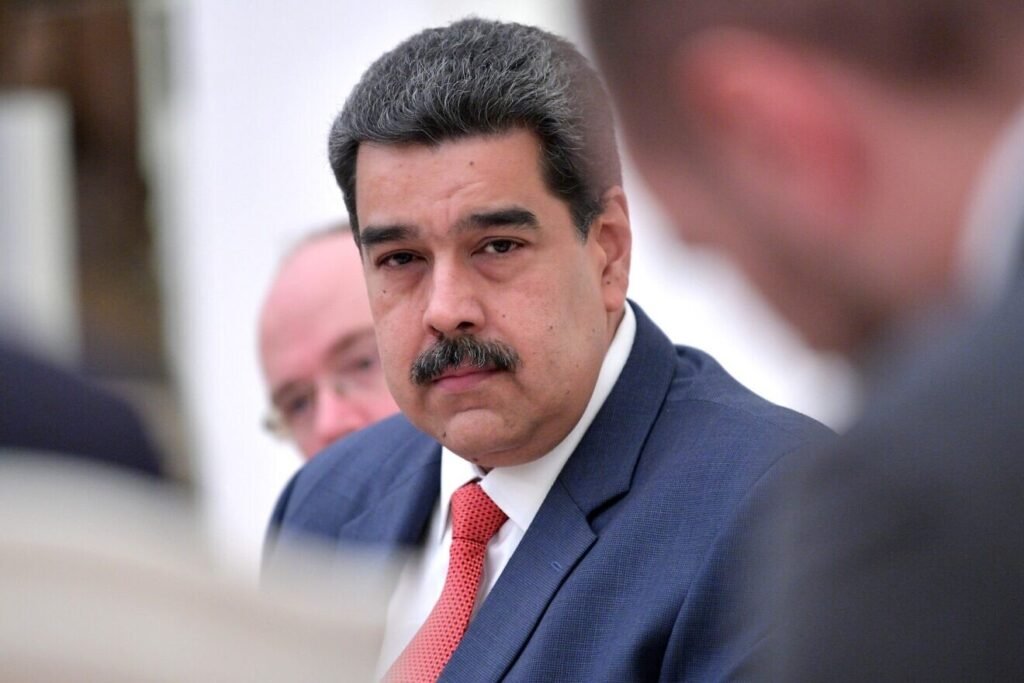
A New Flashpoint in Global Geopolitics
The political temperature around Venezuela rose sharply this week after U.S. President Donald Trump announced that the airspace above and around Venezuela should be considered “closed in its entirety.”
The sudden declaration, delivered through a Truth Social post, sent shockwaves through Caracas and raised urgent questions among diplomats, aviation experts, and global observers.
Trump’s message was brief but alarming:
“To all Airlines, Pilots, Drug Dealers, and Human Traffickers… consider the airspace above Venezuela CLOSED.”
The announcement left U.S. agencies scrambling for clarity. Pentagon officials were reportedly unaware of any military plan to enforce such a closure, and the White House offered no further details.
For Venezuela, the move was nothing short of a direct provocation.
Venezuela Responds: ‘A Colonialist Threat’
Within hours, the Venezuelan government condemned Trump’s declaration, calling it:
- “a colonialist threat”
- “hostile, unilateral and arbitrary”
- “a violation of international law”
Caracas accused the U.S. of escalating pressure on President Nicolás Maduro, who has been in Washington’s crosshairs for years over drug trafficking allegations—claims Maduro strongly denies.
This is not the first time Trump’s administration has taken aggressive positions toward Venezuela, but this statement—lacking legal clarity or enforcement mechanisms—deepened fears that Washington may be preparing for more direct action.
A Region on Edge: Talk of a No-Fly Zone
Military analysts say closing Venezuelan airspace is not as simple as a social media post.
Retired U.S. Lieutenant General David Deptula, who oversaw the northern Iraq no-fly zone in the 1990s, highlighted the complexity:
“The devil’s in the details. A no-fly zone requires planning, resources, and a clear mission.”
The Trump administration has already increased its military presence in the Caribbean, launched strikes on suspected drug vessels, and authorized covert CIA operations. Some officials privately concede that U.S. policy toward Venezuela is entering a more aggressive phase.
Maduro insists Washington aims to overthrow him.
Trump told U.S. troops recently that land operations against Venezuelan drug traffickers would begin “very soon.”
The message is unmistakable: tensions are nearing a boiling point.
Voices from Caracas: Fear, Frustration, and Uncertainty
For everyday Venezuelans, the announcement raises immediate concerns.
Residents interviewed by Reuters expressed fear that:
- families will be unable to travel
- businesses could be disrupted
- holiday plans may be ruined
“We’re confined inside our own country now,” one resident said. Another called the decision “unfair” to people who rely on flights for work and family.
The Venezuelan government warned that the U.S. is reviving “colonial ambitions” in Latin America and urged the international community to reject Trump’s actions.
Iran—one of Venezuela’s key allies—also condemned the move, calling it a serious threat to global aviation safety.
Migration, Surveillance, and Escalation
Interestingly, Trump’s declaration would also freeze migrant deportation flights, which recently returned nearly 14,000 Venezuelans from the U.S.
Meanwhile, Venezuelan officials say U.S. military activity has already disrupted GPS signals across parts of the country, while heightened surveillance in coastal regions has increased fear among residents.
The Venezuelan government is attempting to calm internal tensions, carefully avoiding direct attacks on Trump personally—likely hoping to avoid further escalation.
A Nation Caught Between Global Powers
To much of the world, Venezuela has become a symbol of the geopolitical struggle between:
- the United States
- Latin American nationalism
- global south solidarity
- and allies like Iran, Russia, and China
The airspace declaration adds yet another flashpoint to an already fragile situation.
Whether this is a symbolic threat, a prelude to military action, or an attempt to pressure Maduro into negotiations remains unclear.
But what is unambiguous is the danger:
a miscalculation by either side could spark a crisis with global consequences.
Stay Informed with Yekare History
At Yekare History, we bring global events into context—showing how history shapes today’s conflicts, alliances, and worldviews.
???? Explore the Yekare History Shop — unique apparel, posters, and history-inspired designs (link in the description).
???? Subscribe to Yekare History on YouTube for world history, geopolitics, and global affairs explained simply.
???? Follow our Facebook page for daily historical insights.
Knowledge of the past helps us understand the present — and prepare for the future.